


Ultra Fine Stainless Steel Tendon Cable for Humanoid Robot Dexterous Hands and Medical applications
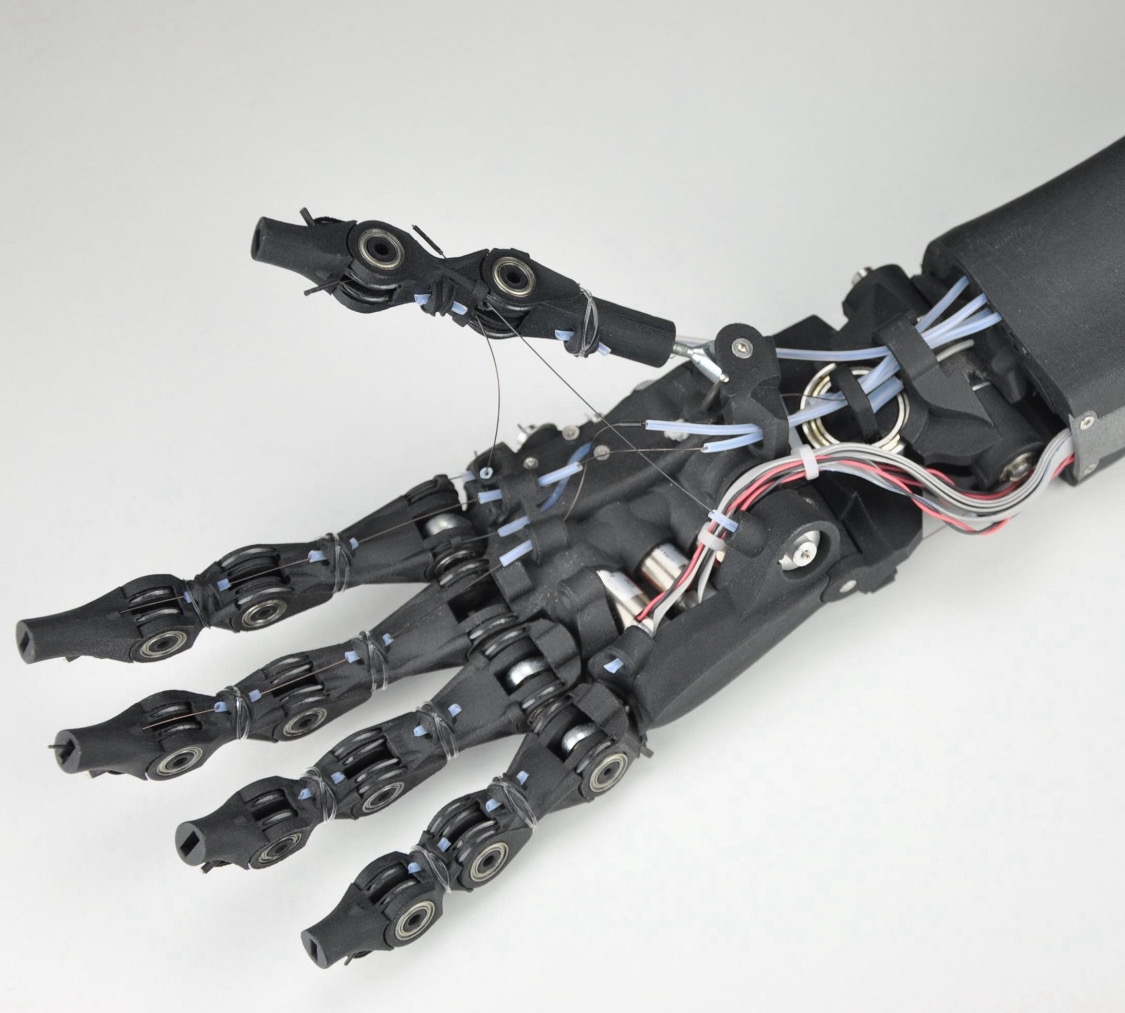
Ultra Fine Stainless steel tendon cables are widely used in cable-driven humanoid robot dexterous hands to transmit force from remotely located actuators to the finger joints. These cables are manufactured from high-strength stainless steel wire rope with diameters raanging from approximately 0.10mm to 1.50mm depending on the applications. The constructions are such as 1*7,7*7,7*19,7*7*7.
Key advantages included:
- High tensile strength with minimal elongation.
- Excellent flexibility for routing through narrow finger joins.
- High fatigue life under repeated bending cycles.
- Low weight and compact integration for anthropomorphic robotic hands.
Ultra fine stainless steel wire rope are commonly used in humanoid robots,prosthetic hands,robotic grippers,surgical robots,and other precision cable-driven mechanisms where accurate force transmission and compact packaging are essential.
Medical Applications
Ultra-fine stainless steel tendon calbe are also widely used in adcanced medical devices where precision,reliability,and biocompatible materials are essential.
Applicatios include:
- Minimally invasive surgical instruments.
- Robot-assisted surgical instruments.
- Flexible endoscopic devices.
- Cathopedic fixation and tensioning systems.
- Prosthetic and rehabilitation devices.
- Precision medical manipulators.
- CTO Guidewires
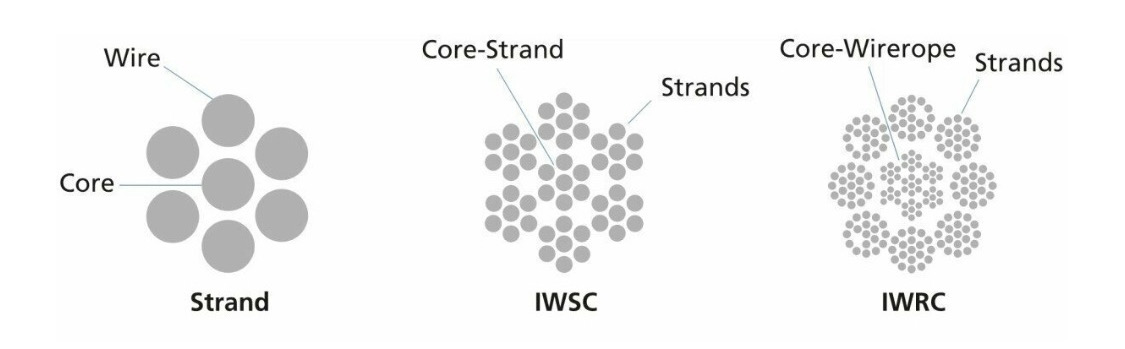
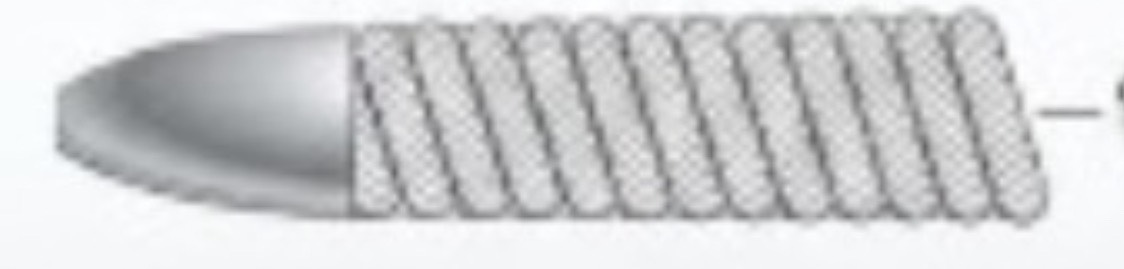
- Multi-Strand Cable Structure: Multiple high-tensile wires braided around the central core for enhanced integrity.
- 1:1 Torque Transmission: Ensures immediate,precise torque response without whip or coil twisting.
- Superior Shape Memory: Retains physician-formed tip shape even after multiple passes through tough lesions.
Future outlook
As humanoid robotics,surgical robots,and intelligent medical devices continue to advance,ultra-fine stainless steel tendon cables are becoming increasingly important as critical components for high-performance cable-driven transmission precision,durability,and compact integration makes them a key enabling technology for next generation robotic and mechanical innovations.